
Villa La Fratta was built in the eighteenth century, on a pre-existing building, by Alessandro Griffi and then transmitted by inheritance to his nephew Francesco di Placido Bianconi, from whom the current owners descend. The Bianconi family, whose presence in Bettona is attested from the sixteenth century, was originally from Bevagna and boasts among its ancestors the blessed Giacomo Bianconi da Bevagna (1220-1301).
Villa La Fratta was initially used as a hunting house, as testified by a fresco depicting the goddess of hunting originally present inside the building and destroyed during World War II. At the end of the eighteenth century, the Baglioni family of Perugia, owner of the nearby estate La Montagnola, obtained from Pope Pius VI the imposition of a ban on hunting activities within a radius of one mile from the Baglioni property, so hunting on Mount Fratta was long prohibited.
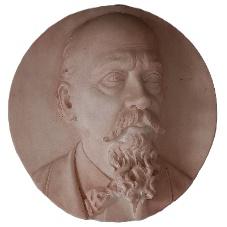
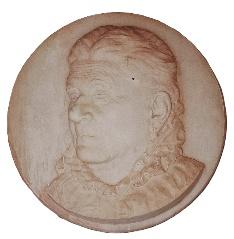
Giuseppe Bianconi and Vittoria Borgia Mandolini
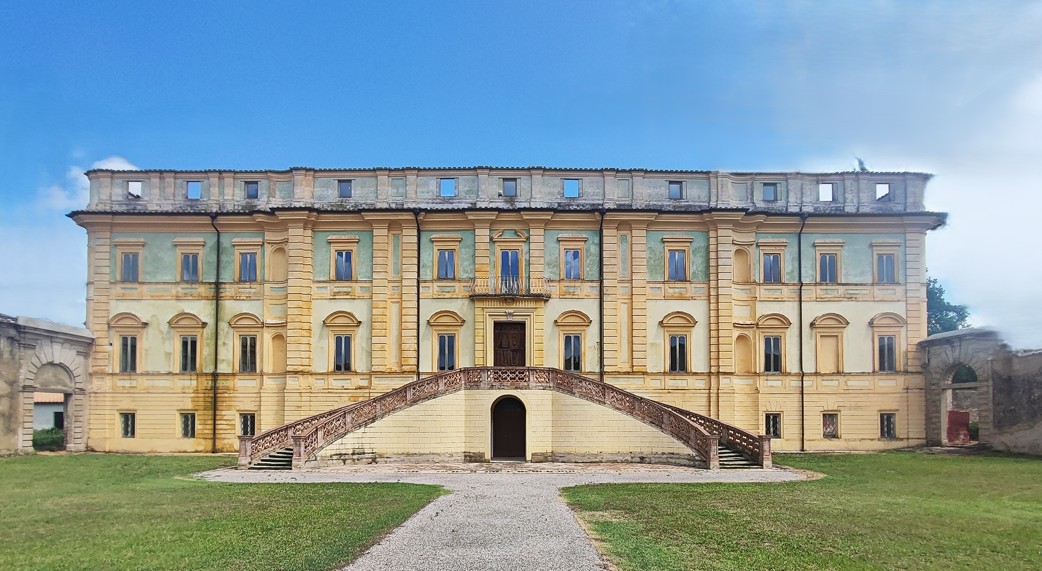
In 1854, Giuseppe Bianconi, son of Francesco Bianconi Griffi and Teresa dei conti Cilleni Nepis di Assisi, married Countess Vittoria Borgia Mandolini (descendant of the Perugian branch of the Borgia family). Giuseppe and Vittoria fixed their residence in Bettona in the monumental Villa Boccaglione, built in the eighteenth century probably on the design of the architect Giuseppe Piermarini, and returned to use Villa La Fratta as their hunting and vacation home. Inside the building, the carriages with which Giuseppe Bianconi and his wife Vittoria Borgia Mandolini went to Villa La Fratta to stay are still preserved. Giuseppe Bianconi was the mayor of Bettona, provincial councilor of Umbria, vice president of the Academy of Fine Arts of Perugia, as well as a local history scholar, author of numerous essays and founder of the Bettona picture gallery. The daughter of Giuseppe and Vittoria, Emma, married Emilio Uccelli, a doctor, mayor of Bettona, president of the Order of Doctors of the Province of Perugia and ancestor of the current owners. The Church annexed to the main building, also built in the eighteenth century, is dedicated to San Francesco da Paola.